News, Blogs & Case Studies

Stay informed with the latest News, Blogs and Case Studies from EKE-Electronics, featuring updates, insights, and technical expertise in Train Control and Management Systems (TCMS) and SIL Safety Applications.

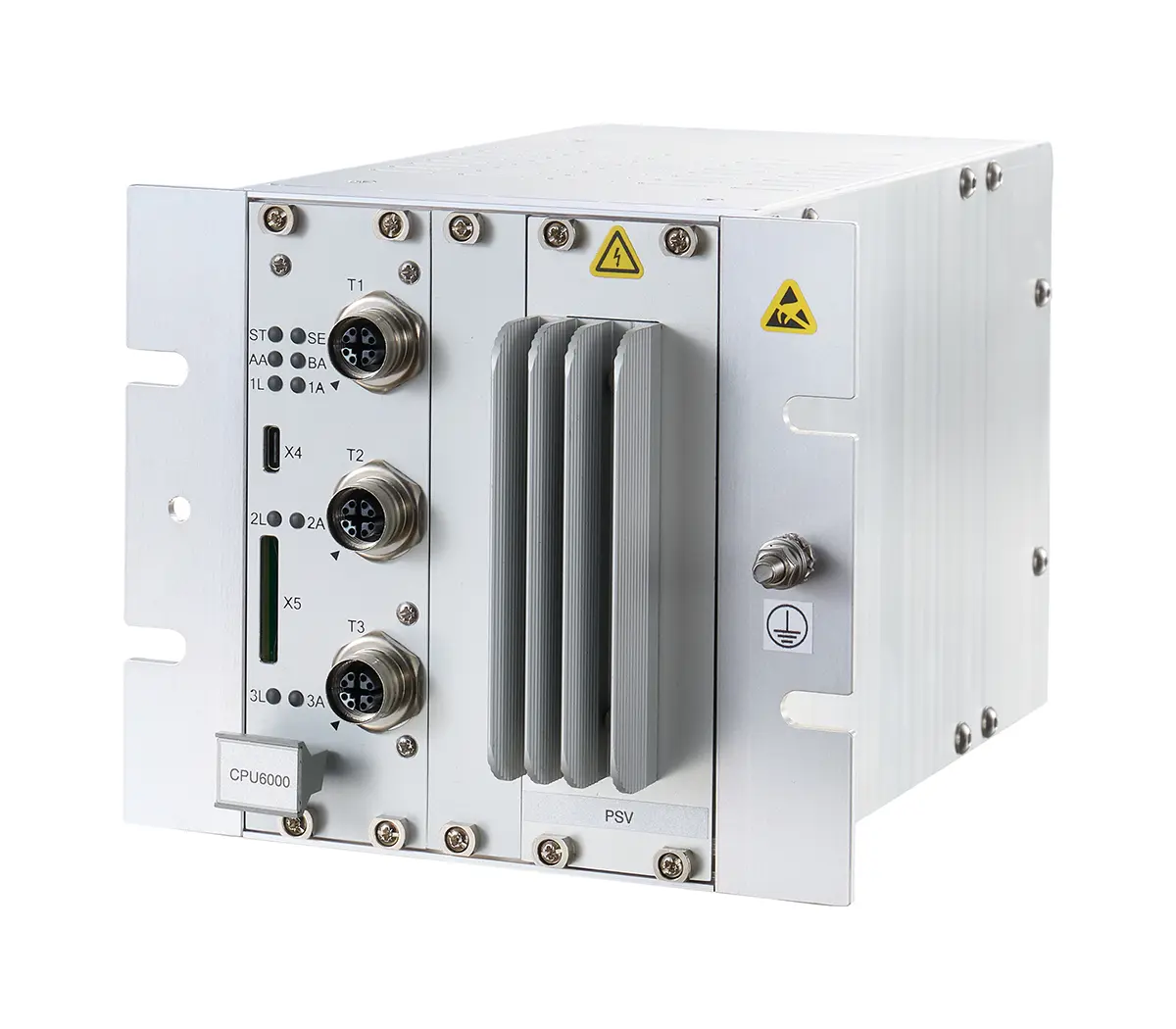
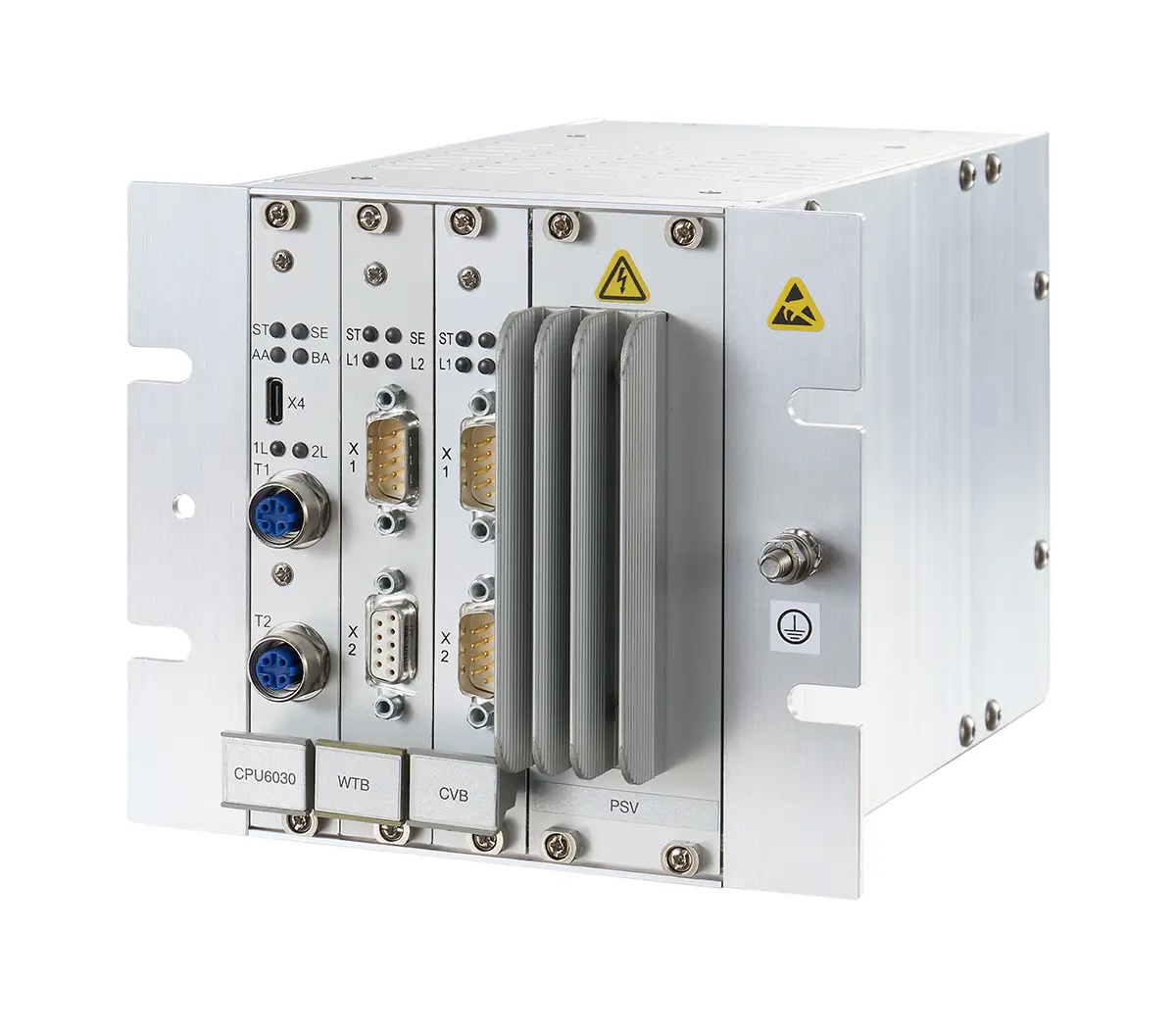
What is a RIOM?

In this blog will explain what a RIOM is, what it does, and how it is used in trains. Discover the different types of signals that can be processed and the benefit RIOMs bring and the benefits of using RIOMs.

Celebrating the Emperor of Japan’s Birthday at the 2026 Embassy Reception

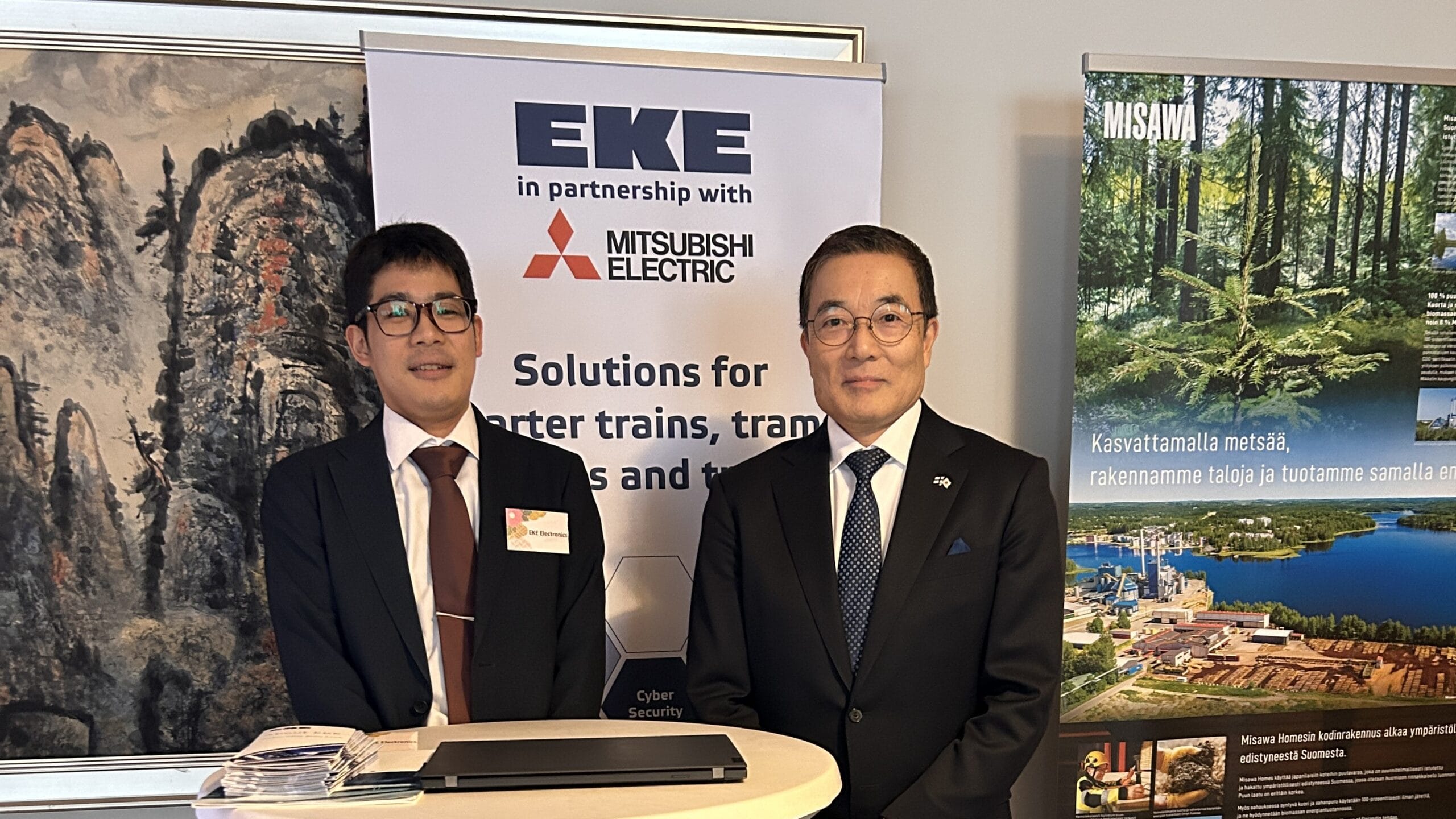
EKE-Electronics were honoured to have been invited to The Embassy of Japan in Finland for the annual celebration of His Majesty the Emperor of Japan’s birthday on 3 March 2026.

Humaware Becomes EKE‑Electronics UK Ltd.

Humaware has officially become EKE-Electronics UK Ltd. to strengthen its role within the EKE- Electronics group.

What Is a Vehicle Control Unit (VCU)?

A Vehicle Control Unit is the system that coordinates how a train’s key functions work together. This blog explains its role in managing data, control tasks and communication across the vehicle.

Securing the Digital Backbone of Trains

Curious how the MVB can become a hidden entry point for cyber threats? In our latest article, we explore how EKE-Electronics and RazorSecure have joined forces around that layer.

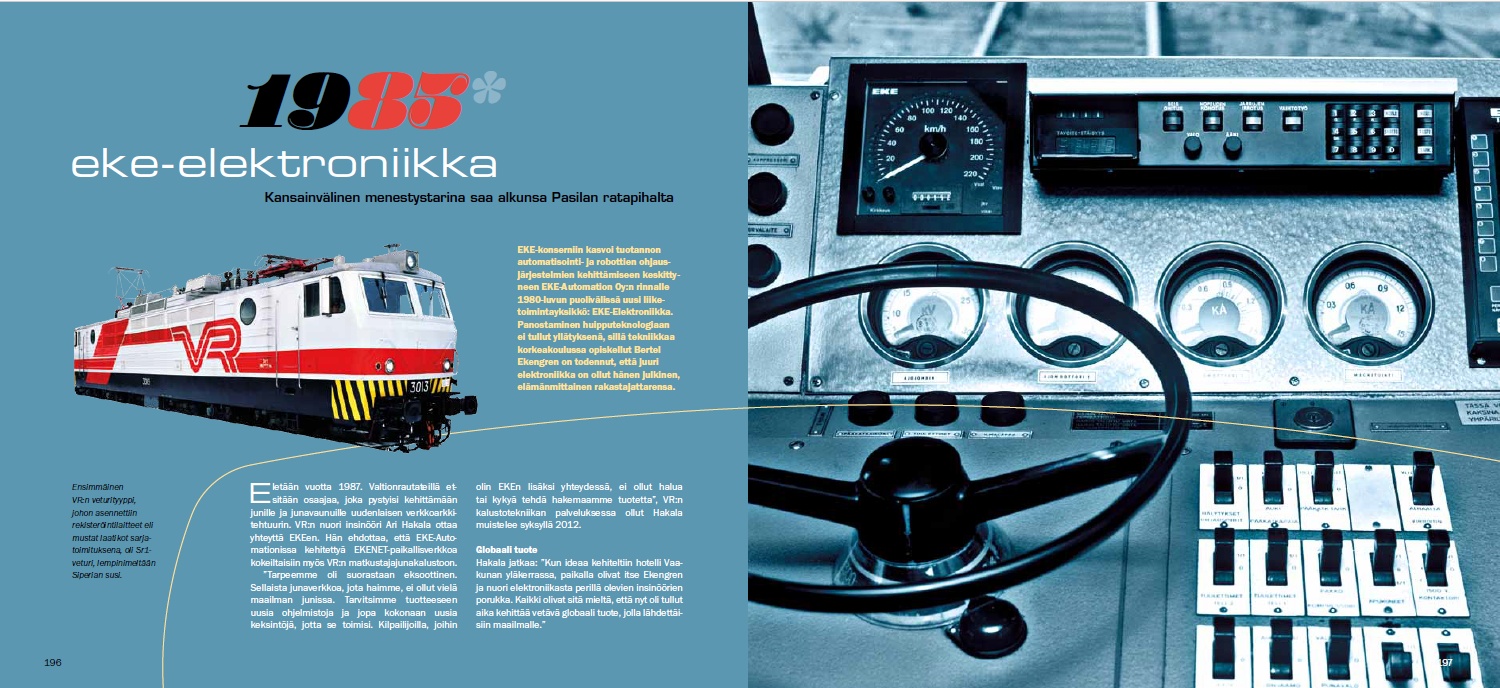
EKE‑Electronics Celebrates 40 Years in Rail

2026 is a very special year for EKE-Electronics as we celebrate our 40th Anniversary. Marking 40 years gives us the chance to celebrate our history.

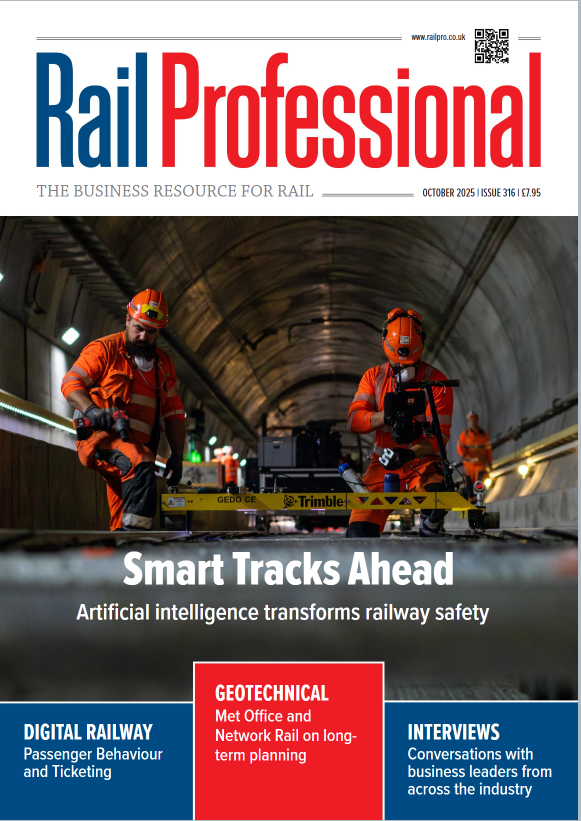
Spotlight Interview: Mika Lindén in Rail Professional

In the October 2025 issue of "Rail Professional", Mika Lindén shares insights into EKE-Electronics' evolution from a Finnish gateway specialist to a global leader in rail modernisation.
wires

Choosing the Right TCMS Supplier: 9 Factors You Can’t Ignore

Selecting the right Train Control and Management System (TCMS) supplier is a pivotal decision for any rolling stock project. This document explores nine essential factors that should guide your evaluation of TCMS suppliers.

Why implement Safety Integrity Levels (SIL) for Railway Safety in 2025?

Learn how SIL Safety Levels provide a systematic approach to managing risk, using a probabilistic method to assess and define acceptable safety levels for functions, systems, and components.

What is a Gateway?

In this blog, we explain what Gateways are and the functions they perform. We also outline the different types of Gateways and their role in TCMS.

What is a Train Communication Network (TCN)?

In this blog we explain what a Train Communication Network (TCN) is, how it works, and the key technologies, topologies involved in enabling reliable communication across modern and legacy trains.

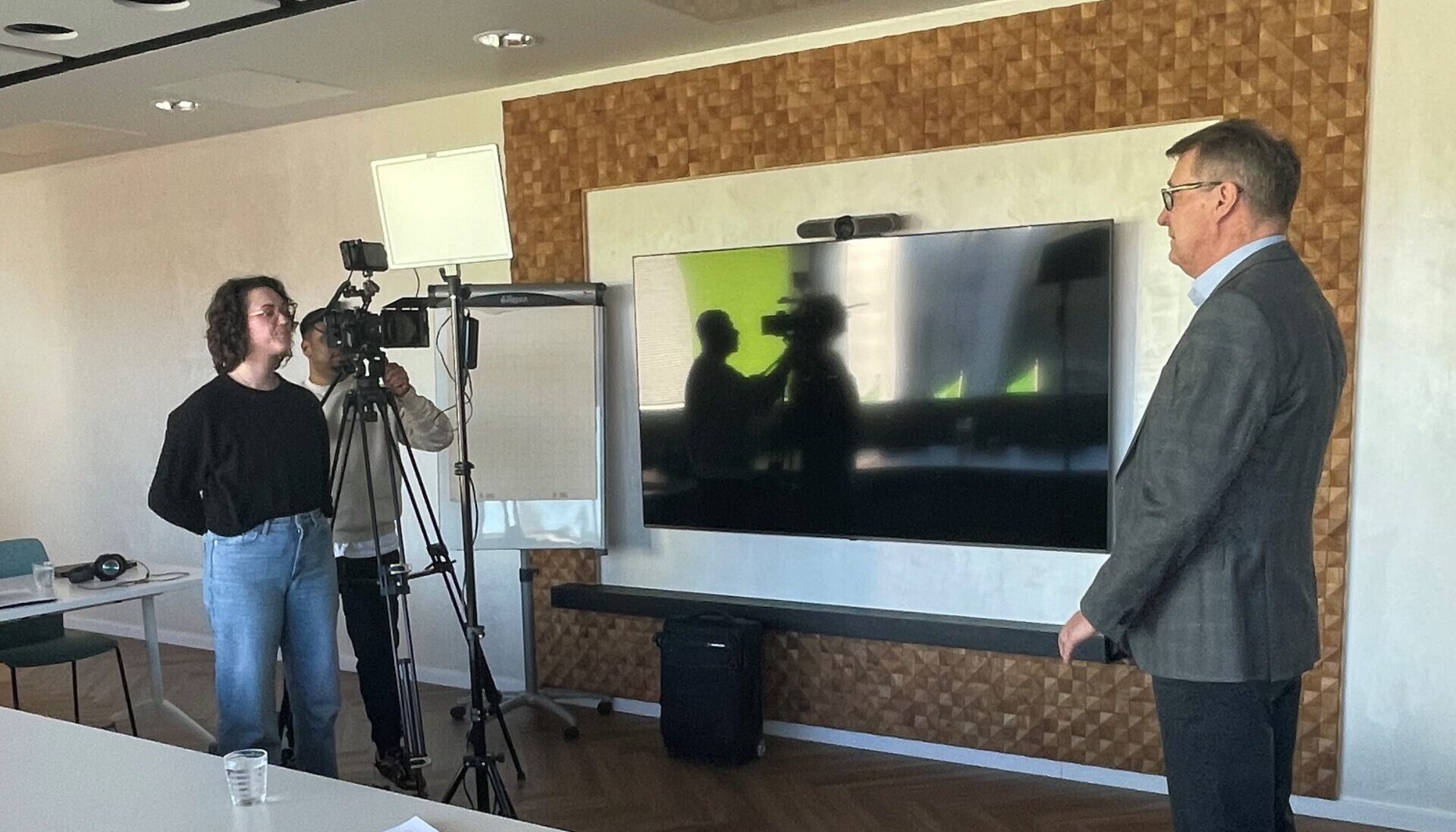
EKE-Electronics Featured on Dutch TV

In March 2025, EKE-Electronics had the privilege of hosting a Dutch production team for the filming of a segment on the television programme Europe Connected.

On-Site Training Empowering Customers to Build TCMS Application

Discover how LocoProject and VONSCH empowered their team to build their own TCMS application independently to create tailored solutions.

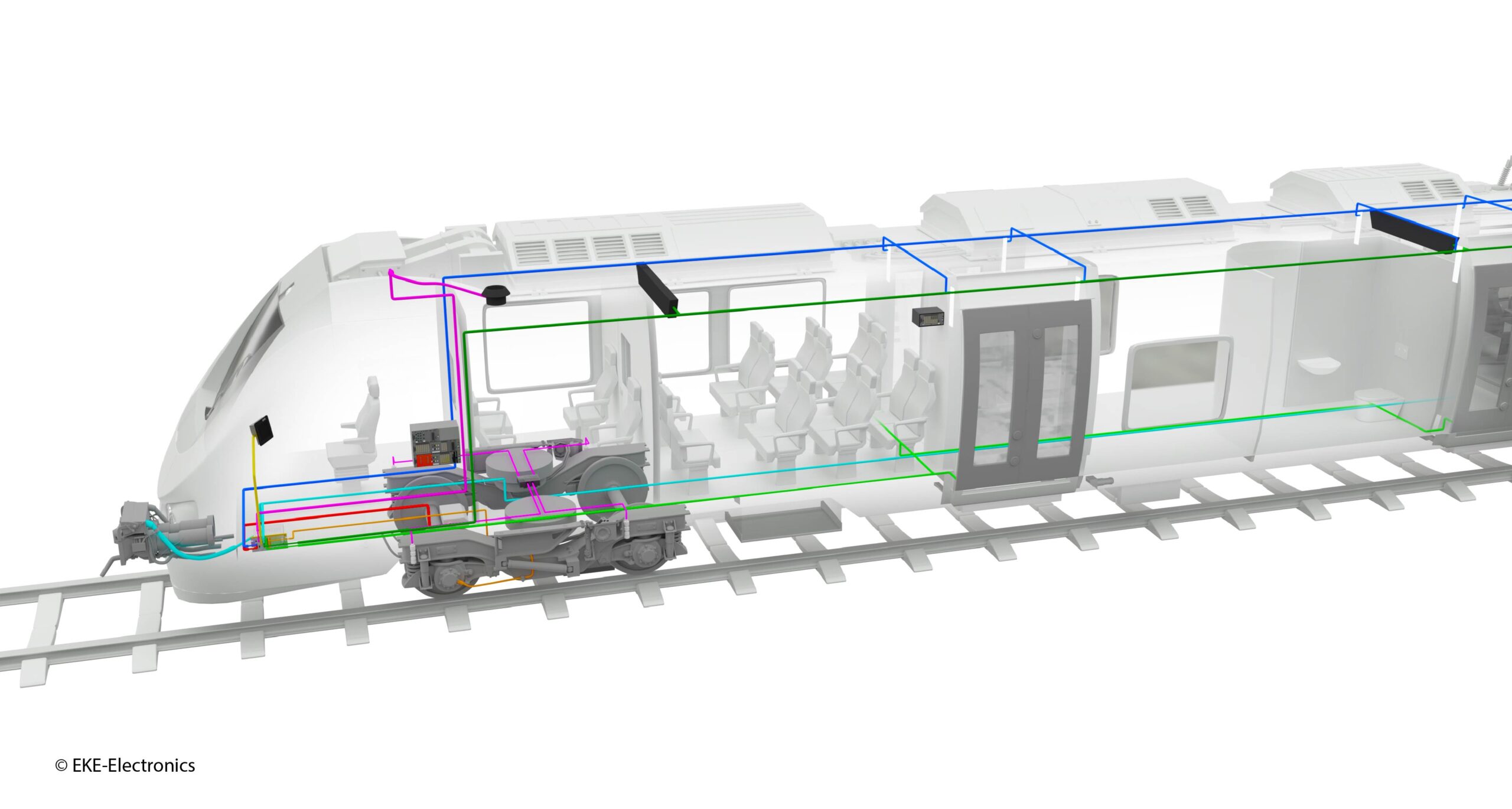
What Is TCMS?

A Train Control and Management System (TCMS) is the central platform on a train that supervises and coordinates all major onboard systems. Often described as the train’s "nervous system".

Mitsubishi Electric Found the Perfect Technology Partnership in Finland

EKE-Electronics is proud to be featured in Enter Espoo’s latest article, highlighting our strategic partnership with Mitsubishi Electric.

Onboard vs. Wayside Hot Axle Box Detection System: Pros & Cons

Understand the advantages and limitations of Onboard vs wayside HABD systems and choose the right solution for your needs.

The Hidden Challenges of Integrating SIL Safety Applications with ETCS

This blog explores the intricacies of developing and integrating SIL safety applications with ETCS and highlights the benefits that addressing these challenges brings.

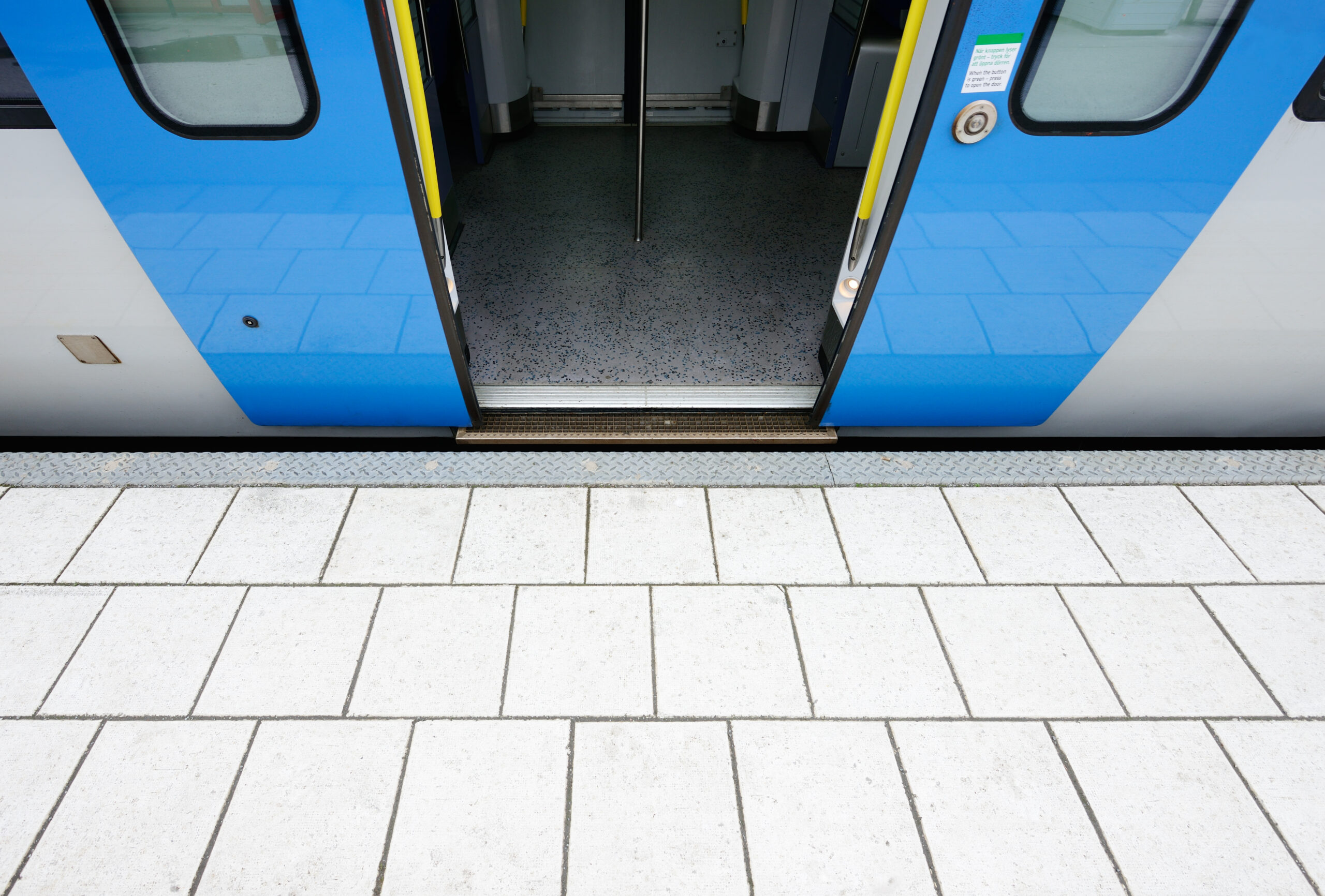
The Impact of ETCS on Automatic Selective Door Operation (ASDO)

The European Train Control System (ETCS) enhances safety and efficiency, particularly through its integration with Automatic Selective Door Operation (ASDO), improving operational effectiveness and safety.