HABD: On-board Hot Axle Box Detection

Hot Axle Box Detection (HABD) is an on‑board monitoring system that identifies overheating in the axle bearings of railway vehicles.

This SIL 2 certified system provides continuous temperature tracking that adapts to each train’s characteristics. Alerts trigger when temperature values deviate from expected patterns.
 
Early detection supports timely corrective actions that reduce repair costs and strengthen operational safety.
 
The system suits new trains and refurbishment projects. Integration works with any vendor’s TCMS.
badge
COMPLIANCE:
SIL 2, EN 50126, EN 50716 (previously EN 50128), EN 50129, EN 15437-2

Hot Axle Box Detection (HABD) and Its Role in Rail Safety

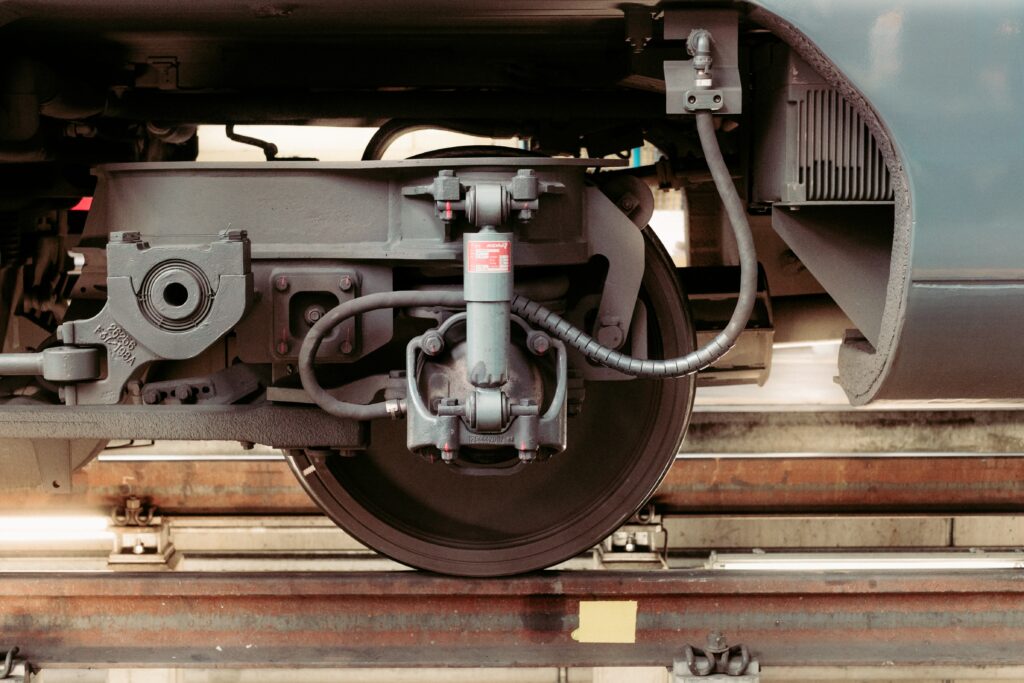
HABD, also known as a Hot Journal Detection System, provides early warning of dangerous bearing conditions. The system monitors axle bearing temperatures on rolling stock and identifies abnormal heat levels before a failure occurs.

Why Bearing Temperature Monitoring Matters

Bearing failures in rail vehicles create significant safety risks because damaged bearings can trigger serious operational incidents, including derailment or onboard fire.
 
A rising bearing temperature often signals internal wear, lubrication breakdown, or mechanical stress. These issues progress quickly and require immediate attention.

Operational Advantages of On-board HABD

On-board monitoring helps operators detect gradual temperature rises that often signal early bearing faults.

  • Continuous measurement ensures full route coverage without gaps.
  • Rising temperatures indicate early bearing distress.
  • Real‑time data helps maintenance teams identify and respond quickly to emerging issues.
  • Early intervention helps prevent serious safety incidents.
  • Integration with control systems supports immediate mitigation actions.

Key Differences between onboard and wayside (trackside) monitoring

There are two principal HABD solutions: onboard monitoring systems and wayside installations. Each approach delivers different strengths in responsiveness and coverage. 

The comparison below outlines the key differences between the two approaches.

Onboard Monitoring

Standard:

EN 15437-2

Measurement Method:

Sensors inside the axle box.

Data Collection:

Continuous real-time monitoring.

Customisation:

Adaptable to train types, bogies, and bearings.

Detection Accuracy:

Detects gradual temperature changes for early intervention.

 Limitations:

• Requires full onboard installation and integration with the train’s existing systems.
• Sensors rely on the train’s power supply for stable operation and accurate data.
• Real‑time monitoring depends on suitable data transmission infrastructure.

Wayside (trackside) Monitoring

Standard:

EN 15437-1

Measurement Method:

Wayside installations at fixed track locations.

Data Collection:

Single-point measurement when passing.

Customisation:

Generic system for all trains.

Detection Accuracy:

Only identifies issues when a train passes.

 Limitations:

• Does not detect faults that occur between fixed detector locations.
• Cannot identify internal axle box issues due to limited sensing coverage.

Build HABD using the following modules

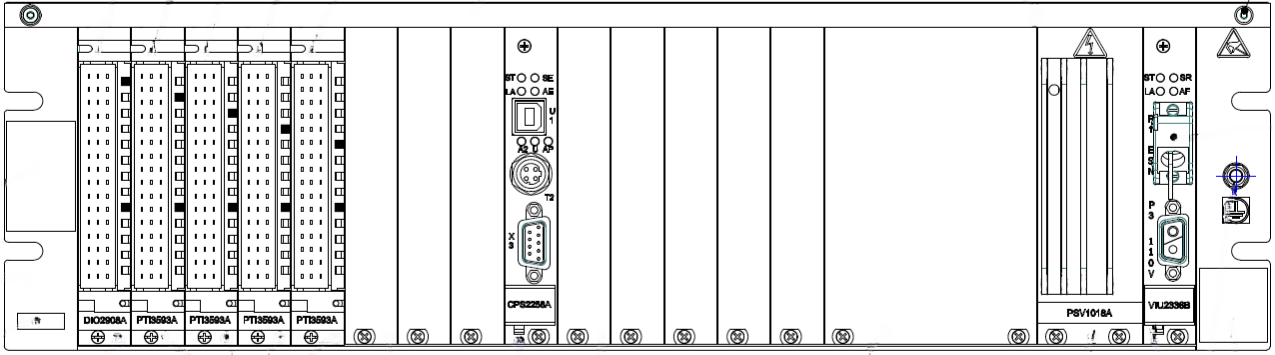
The HABD system usually consists of a Central Processing Unit (CPU), I/O modules, a power supply and a rack.
Click on an image to explore related content.

Modular Concept

Below is an example of an HABD system made up of a selection of common modules. The modules are the minimum required for HABD. Additional modules are available for expanded functionality. For example, ASDO is often integrated within the same system. Hover over each area to view a brief description or click to access the full module page. Hover over each area to view a brief description or click to access the full module page.

Application Software

The HABD application software is built on an open-source Linux platform and is coded in C and C++.

Unlike our TCMS platform, which allows users to code their own applications, HABD application software is built by EKE-Electronics. This protects the SIL 2 certification, which demands strict control of tools, processes and engineering methods.

How the HABD System Operates

The detection process follows a controlled sequence that ensures accurate measurement and reliable protection:
 
  • Measure temperature: Sensors measure the axle box and gear box temperatures.
  • Calculate average temperature: The temperature is measured ten times per second. The ten second average is used for calculation.
  • Assess the temperature level: The temperature is assessed to determine if it has crossed one of the four thresholds.
  • Generate alarm or action: A notification is generated when the measured temperature passes any of the four defined thresholds.
    • A threshold can trigger a temperature alarm for the operator.
    • A threshold can activate a defined safety function, such as initiating the train’s emergency stop.

HABD Key Features

HABD improves safety, reliability, and operational efficiency across rail networks. Continuous temperature monitoring strengthens confidence in the detection process and supports uninterrupted rail traffic.

Automatic alarms and actions

The system monitors temperature conditions continuously and uses predefined thresholds to detect abnormal changes. Any deviation from the allowed range triggers an automatic alarm. These alerts enable rapid responses that reduce the risk of equipment damage or operational delays.


The monitoring platform also supports direct safety actions when critical limits are reached. The system can activate the train’s emergency stop to prevent hazardous situations. This capability protects passengers and staff while reducing the impact on rail operations.

Configurable alarm levels

Configurable alarm levels support tailored safety responses that improve reliability across diverse rail networks. Operators can define temperature thresholds that match specific train types, bearing characteristics, and operating conditions. These adjustable limits strengthen monitoring accuracy for each asset group.

 
Custom thresholds help the system identify abnormal temperature increases at an early stage. Targeted configuration ensures every train receives appropriate alerts and protection within its operational context.

Fully redundant system

The Hot Axle Box Detection system uses a redundant design that removes any single point of failure. This delivers maximum reliability and safety across rail operations. 


Multiple independent sensors monitor axle box temperatures at all times.  A backup component automatically takes over when a sensor fault or hardware issue occurs. 


Continuous monitoring remains active during these events, which reduces the risk of missed temperature anomalies.

Why Choose EKE-Electronics for your HABD?

The on‑board Hot Axle Box Detection system delivers real‑time monitoring that supports a wide range of train types and mechanical designs. Configurable settings allow operators to match alarm levels and detection logic to each fleet’s technical requirements.
 
More than 1,800 installed HABD systems demonstrate strong field performance across global rail networks. Proven deployment experience gives operators a dependable solution that supports consistent safety and operational efficiency.

On-Board Continuous Temperature Monitoring

On‑board temperature monitoring gives a clearer view of bearing condition than trackside systems. It measures axle‑box temperature in real time and records every change. This helps operators spot early abnormal patterns that may indicate developing failures.
 
Wheel and gearbox temperature tracking gives operators a clear view of axle health. This wider visibility improves safety and supports timely maintenance decisions for all train types.

Monitoring Regardless of Axle Box Location

Wayside systems only measure external axle boxes positioned outside the wheels. This creates gaps in detection for axle boxes mounted in shielded or internal positions.

 
On‑board monitoring covers every axle box on the train. Continuous measurement allows immediate detection of overheating and other early warning indicators. This wider coverage reduces the risk of undetected failures and helps prevent costly component damage.
 

Configurable Monitoring Solution

The monitoring system supports many sensor types and configuration options. Its flexible integration enables precise setup for different operating conditions and customer requirements. This adaptability increases detection accuracy across varied rolling‑stock environments.

Custom settings also work with multiple train models and different bogie layouts. Bearing types with unique thermal characteristics receive tailored monitoring parameters. These adjustments make the system efficient for operators who manage mixed fleets.
EKE-Trainnet® SIL Safety Applications
Find out how we can work together